Industrial companies across the region are being asked to localise production, automate their operations and decarbonise, all within the same decade. Each shift calls for a different kind of plant and operations leader, and the leaders who have led all three are few. Boards that understand which transition matters most for them are the ones that appoint well.
Three transitions, three profiles
Localisation calls for leaders who can build supply bases, develop a skilled national workforce and bring new plants to stable output. Automation calls for leaders who can take a site through a technology transition while holding safety and production. Decarbonisation calls for leaders who can redesign processes and energy use without losing competitiveness. We help boards decide which of the three is decisive for the role before the search begins.
Operational rigour and change leadership belong in the same leader.
From the port to the last mile
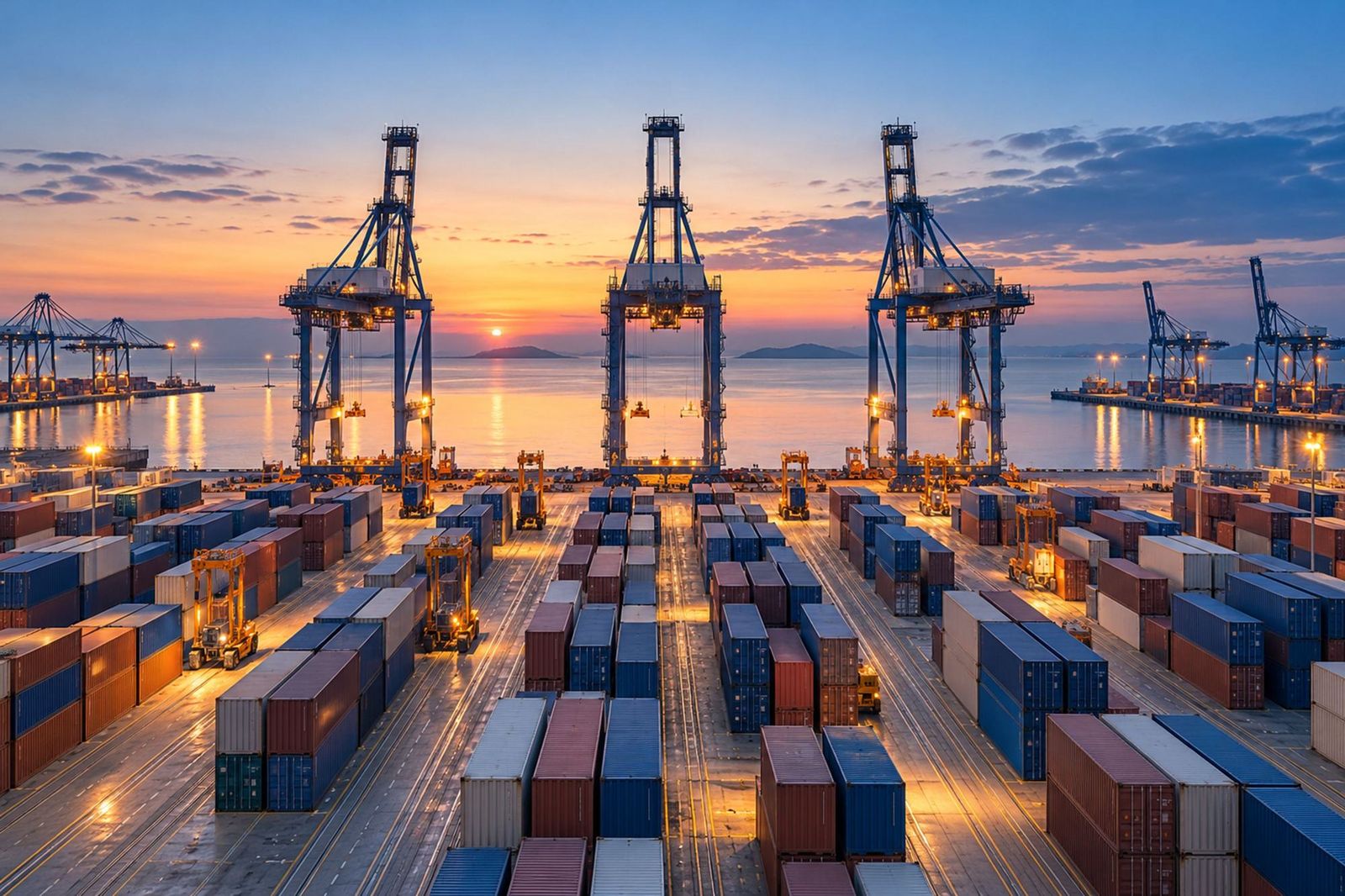
In logistics and shipping, the same discipline runs from the port to the last mile. Leaders in demand combine network design, asset utilisation and customer service, and they understand how digital visibility changes the economics of a supply chain.
What we assess
- Plant leadership depth. The scale, complexity and safety record of the operations the leader has run.
- Operational excellence. Evidence of sustained improvement, verified with the teams involved.
- Industry 4.0. Automation and data programmes the leader has taken from plan to production.
- Workforce development. How the leader has built skills and national talent.
- Ocean to door. For logistics leaders, command of the full chain from port to customer.
Aligned Acquisition on the shop floor
Through Aligned Acquisition we agree the mandate as it truly is: build, stabilise, transform or grow. We define the capability evidence against that mandate, and we read the culture of the operation, including its relationship between management and the workforce. Site visits and conversations with plant leaders inside the client organisation are often part of the brief, because the culture of a factory is best understood on the floor.
An operations leader aligned on all three can carry an industrial business through its decisive decade with safety, output and people intact.