Boards often ask whether they have the right talent. The better question is whether they have the right team design. In high stakes environments, performance is rarely the result of one brilliant individual. It is the result of many capable people functioning as one coordinated system. Three worlds show what that looks like.
Military missions: execution under uncertainty
A mission is executed by a unit in which every role matters: the mission leader, the field teams, intelligence and reconnaissance, communications and logistics, and medical support. Outcomes depend on discipline, trust, speed and clarity rather than debate, ego or individual heroics.
Surgical teams: controlled collaboration
In an operating theatre, roles are specialised and interdependent: the lead surgeon, assisting surgeons, the anaesthetist, nursing staff, technicians and post operative care. This is collaboration under pressure, where every delay matters. Surgical teams prove that trust is operational, not only emotional.
Orchestras: precision through collective timing
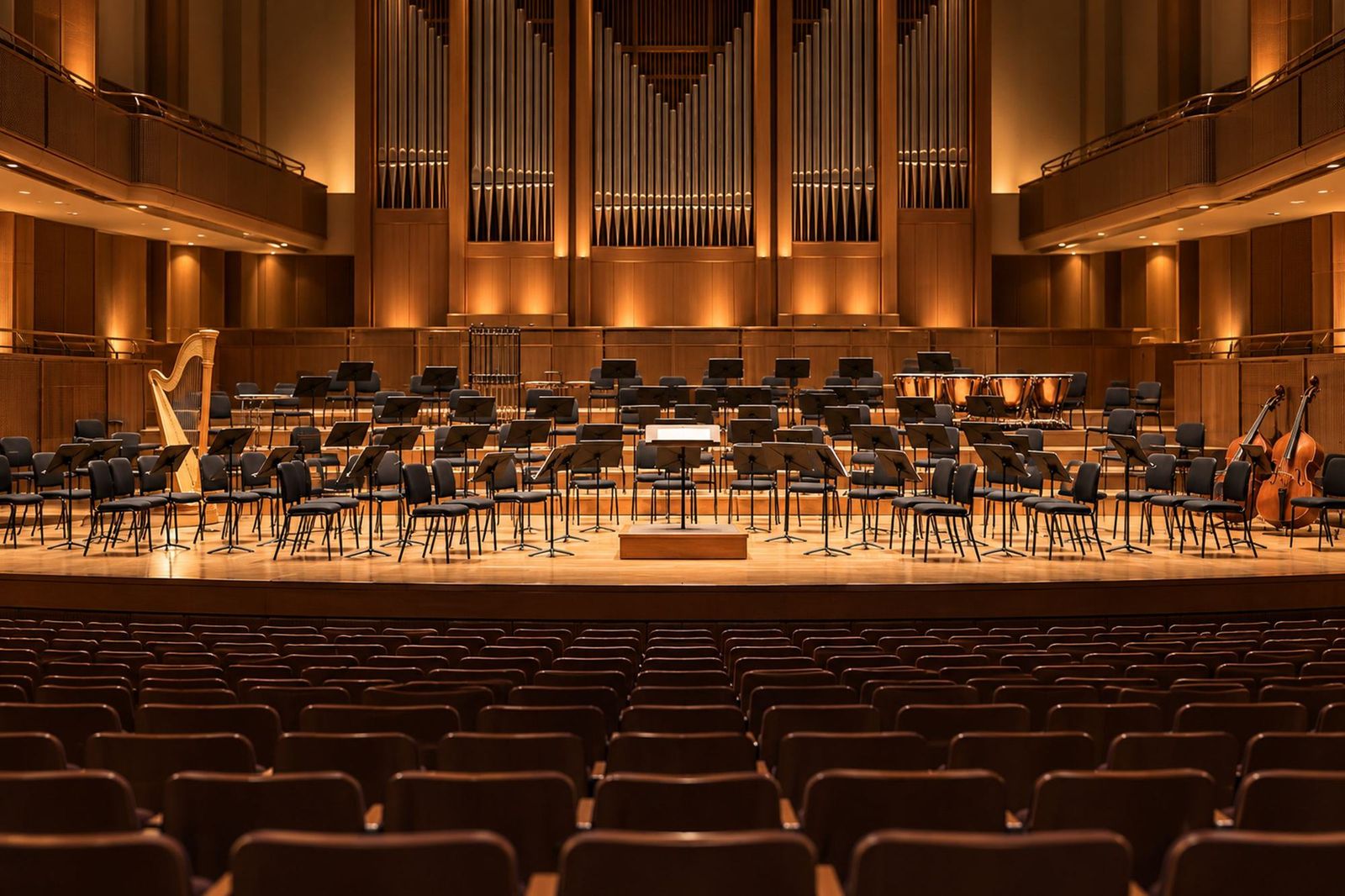
A symphony is delivered by specialists working in synchrony: the conductor, section leaders, strings, brass, woodwind and percussion, soloists and supporting musicians. Success is not about who plays loudest. It is about who plays right, at the right time, in the right measure and with the right restraint. Talent without coordination produces noise, not performance.
Collaboration is not only a training question. It is a recruitment question.
What the three have in common
All three are engineered for collective performance rather than individual brilliance. The lesson for chief executives and boards is direct: a team that was assembled without regard for how it will work together cannot simply be coached into cohesion later.
Most organisations recruit for experience, credentials, well known employers, domain knowledge and confident communication. These matter, but they are incomplete. Elite teams add a deeper layer of criteria: the psychology of coordinated execution.
- Role discipline over role ambition. Does this person strengthen the system, or seek to become the system?
- Confidence with a low ego. The security to share credit, take feedback, stay calm and protect outcomes over image.
- Predictability under pressure. Emotional regulation, response to ambiguity, disciplined decisions and priority for the collective goal.
- Communication that reduces friction. Precise updates, brevity under pressure, early escalation and the ability to disagree without unsettling the room.
- A system first mindset. An instinct for hand overs, dependencies and downstream consequences.
Building a coordinated human system
If an organisation wants the precision of a surgical team, the harmony of an orchestra and the decisiveness of a mission unit, recruitment cannot be treated as hiring good individuals. It must be treated as building a coordinated human system. Every appointment either stabilises trust, speed and clarity, or multiplies friction. In competitive markets, execution speed is strategy.